
The local legal context
North Carolina civil claims require assessment of District Court, Superior Court, and magistrate small-claims jurisdiction. Certain complex business disputes can be designated to the Business Court under G.S. 7A-45.4, subject to statutory categories and procedure. That designation is not automatic merely because companies are parties, and the statute's conditional procedural language should be checked against the operative filing arrangements.
For a North Carolina claimant, identify the relief, amount, county connections, parties, and urgency before preparing a complaint. Preserve evidence and consider whether interim protection or a contractual dispute process is needed. Service, responsive pleadings, discovery, mediation, and enforcement all influence the practical strategy. A sound budget should account for collectability and likely contested issues, rather than treating a formally valid claim as assurance of a commercially useful recovery.
Key laws & official sources
Civil litigation procedure, service, evidence, judgments, exemptions, execution, and supplemental proceedings.
Mandatory complex business-case categories and designation procedure, including conditional procedural text.
Magistrate small-claims jurisdiction, summary ejectment, procedure, appeals, and enforcement considerations.
Business Court eligibility and designation deadlines require review of the operative statute and court procedures.
Practical next steps
- Select the correct division and county
- Assess Business Court designation where relevant
- Plan evidence, service, and enforcement
Documents to prepare
- Chronology and key evidence
- Court papers and proof of service
- Loss schedule and information about assets
How Jurisiti can help
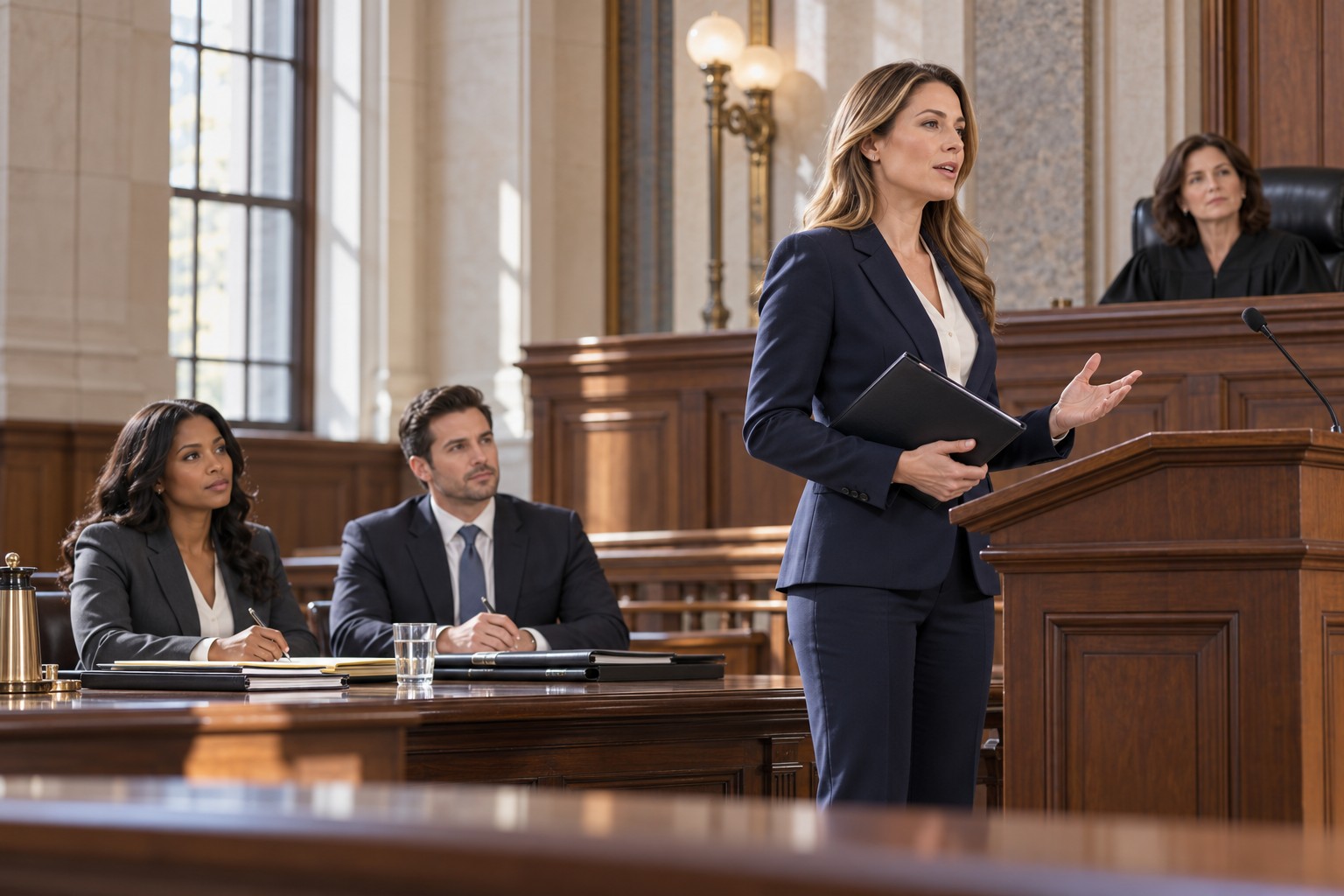
Distinguish state court from federal court before preparing a case. Subject-matter jurisdiction, personal jurisdiction, venue, service, limitation periods and removal can affect the available route. The applicable procedural rules govern pleadings, discovery, motions and trial. Preserve documents and electronic evidence promptly, and confirm local court rules, scheduling orders and counsel admission requirements. A demand letter or consultation does not itself file a case or protect a deadline.
- Jurisdiction, venue, claims and defense assessment
- Pleadings, discovery, motions and evidence
- Hearings and trial through properly admitted counsel
Questions about your matter
How do I inquire about civil litigation & court representation in North Carolina?
Identify the state, the people involved, any proceeding or deadline, and the result you need. A short chronology and the key documents help define the proposed engagement before local professional arrangements are confirmed.
Can a cross-border matter involve more than one legal system?
Yes. North Carolina may be one part of a wider matter involving another place of residence, contracting party, asset or forum. Applicable law, jurisdiction and enforcement should be assessed separately, using the relevant state, federal and interstate rules.
Does this guide establish a lawyer-client relationship?
No. An inquiry or use of this guide does not establish an engagement. Conflicts, professional authority, scope, responsibilities and fees must be confirmed before work begins.
These guides provide general legal information. The operative law, deadlines, professional permissions and scope of work are confirmed for the particular matter. Representation is subject to an agreed engagement and the applicable state license, court admission, conflicts review and authority to act. Local-counsel appointments are confirmed for the specific matter.