
The local legal context
D.C. Superior Court is the District’s local trial court; its Small Claims Branch handles qualifying civil money claims up to its monetary limit within the Civil Division. The U.S. District Court for the District of Columbia is a separate federal court. A dispute does not belong in federal court merely because it arose in the nation’s capital or involves a company doing business there.
Determine subject matter jurisdiction, personal jurisdiction, service, and the requested remedy before choosing a filing route. A District claim may require a different branch or procedure for possession, probate, or family relief. Collect the contractual forum clause and chronology of the loss, then preserve messages and accounting records. The selected court’s actual rules and scheduling orders govern litigation; federal procedural rules are not interchangeable with Superior Court rules.
Key laws & official sources
Identifies the local small claims forum and its monetary jurisdiction within the Civil Division.
National federal rules currently in effect, with links to local rules.
Court selection depends on the claim and parties, not simply the D.C. address on a contract.
Practical next steps
- Identify the proper local branch or federal basis.
- Verify service requirements and the operative deadline.
- Preserve transaction records and relevant communications.
Documents to prepare
- Chronology and key evidence
- Court papers and proof of service
- Loss schedule and information about assets
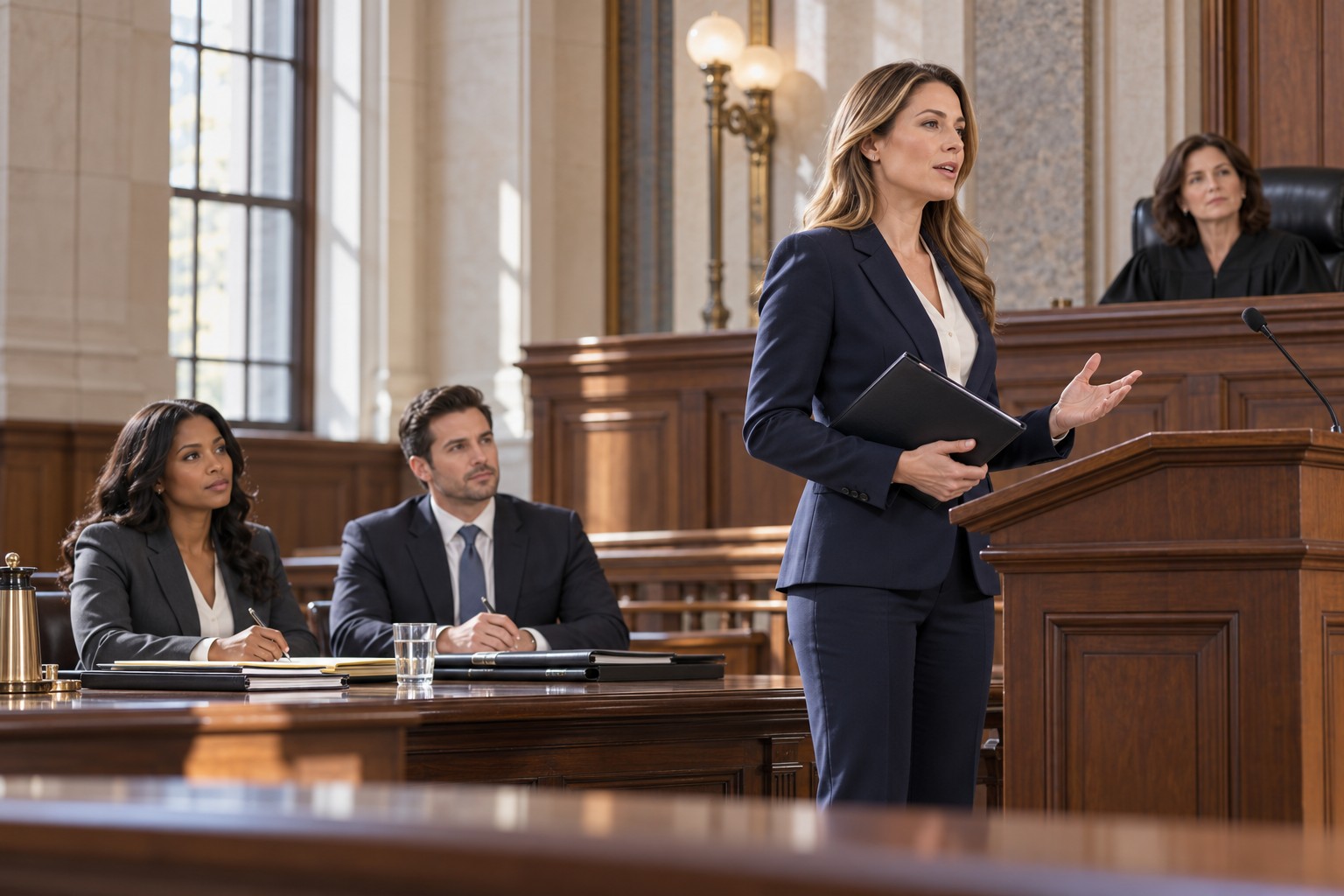
How Jurisiti can help
Distinguish state court from federal court before preparing a case. Subject-matter jurisdiction, personal jurisdiction, venue, service, limitation periods and removal can affect the available route. The applicable procedural rules govern pleadings, discovery, motions and trial. Preserve documents and electronic evidence promptly, and confirm local court rules, scheduling orders and counsel admission requirements. A demand letter or consultation does not itself file a case or protect a deadline.
- Jurisdiction, venue, claims and defense assessment
- Pleadings, discovery, motions and evidence
- Hearings and trial through properly admitted counsel
Questions about your matter
How do I inquire about civil litigation & court representation in District of Columbia?
Identify the state, the people involved, any proceeding or deadline, and the result you need. A short chronology and the key documents help define the proposed engagement before local professional arrangements are confirmed.
Can a cross-border matter involve more than one legal system?
Yes. District of Columbia may be one part of a wider matter involving another place of residence, contracting party, asset or forum. Applicable law, jurisdiction and enforcement should be assessed separately, using the relevant state, federal and interstate rules.
Does this guide establish a lawyer-client relationship?
No. An inquiry or use of this guide does not establish an engagement. Conflicts, professional authority, scope, responsibilities and fees must be confirmed before work begins.
These guides provide general legal information. The operative law, deadlines, professional permissions and scope of work are confirmed for the particular matter. Representation is subject to an agreed engagement and the applicable state license, court admission, conflicts review and authority to act. Local-counsel appointments are confirmed for the specific matter.