
The local legal context
California civil cases generally begin in a county Superior Court, with procedures affected by case classification and local rules. The Judicial Council’s 2026 amendment schedule makes the rule’s effective date important alongside the assigned court’s orders. The first procedural questions are jurisdiction, venue, service and the legal basis for relief. A strong factual claim can still fail if brought in the wrong forum.
Identify the California case classification and current local case-management requirements. Preserve relevant records and identify witnesses before pleadings fix the issues. Compare emergency relief, negotiated resolution and ordinary litigation against the value and urgency of the dispute. Counsel should calendar service, response, discovery and appeal requirements from the operative rules and orders, and assess collectibility alongside the merits rather than treating judgment as payment.
Key laws & official sources
The judiciary distinguishes county Superior Courts, the Courts of Appeal and Supreme Court from separate federal proceedings.
The official collection lists 2026 amendments and their effective dates, which must be considered alongside local rules.
Court guidance addresses case management, evidence and alternative resolution, including local differences in judicial arbitration.
Confirm the operative law, forum requirements and relevant dates with appropriately authorized counsel before acting on this California matter.
Practical next steps
- Identify the California case classification and current local case-management requirements
- Pleadings, service papers and court orders
- Dated evidence and witness list
Documents to prepare
- Chronology and key evidence
- Court papers and proof of service
- Loss schedule and information about assets
How Jurisiti can help
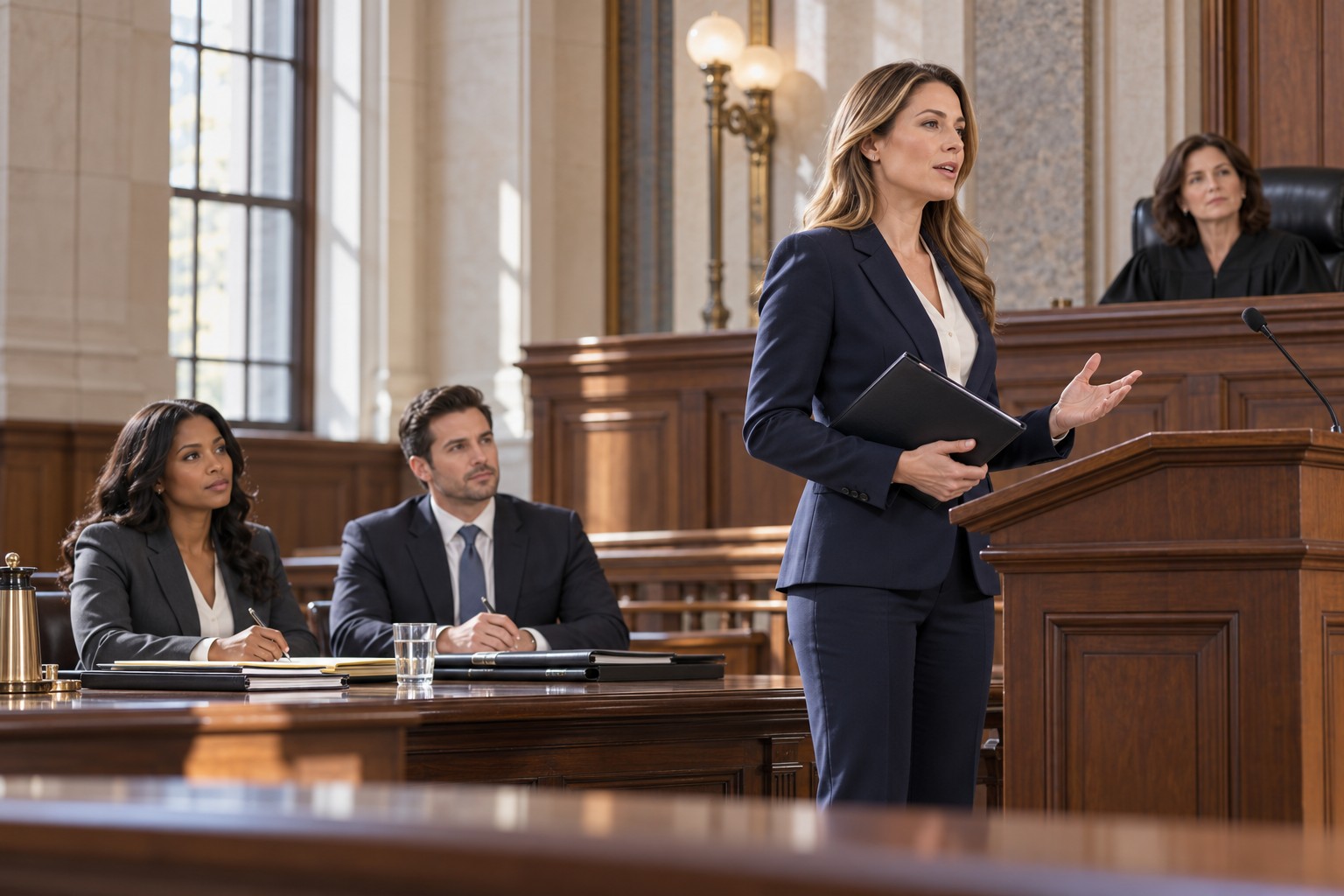
Distinguish state court from federal court before preparing a case. Subject-matter jurisdiction, personal jurisdiction, venue, service, limitation periods and removal can affect the available route. The applicable procedural rules govern pleadings, discovery, motions and trial. Preserve documents and electronic evidence promptly, and confirm local court rules, scheduling orders and counsel admission requirements. A demand letter or consultation does not itself file a case or protect a deadline.
- Jurisdiction, venue, claims and defense assessment
- Pleadings, discovery, motions and evidence
- Hearings and trial through properly admitted counsel
Questions about your matter
How do I inquire about civil litigation & court representation in California?
Identify the state, the people involved, any proceeding or deadline, and the result you need. A short chronology and the key documents help define the proposed engagement before local professional arrangements are confirmed.
Can a cross-border matter involve more than one legal system?
Yes. California may be one part of a wider matter involving another place of residence, contracting party, asset or forum. Applicable law, jurisdiction and enforcement should be assessed separately, using the relevant state, federal and interstate rules.
Does this guide establish a lawyer-client relationship?
No. An inquiry or use of this guide does not establish an engagement. Conflicts, professional authority, scope, responsibilities and fees must be confirmed before work begins.
These guides provide general legal information. The operative law, deadlines, professional permissions and scope of work are confirmed for the particular matter. Representation is subject to an agreed engagement and the applicable state license, court admission, conflicts review and authority to act. Local-counsel appointments are confirmed for the specific matter.